
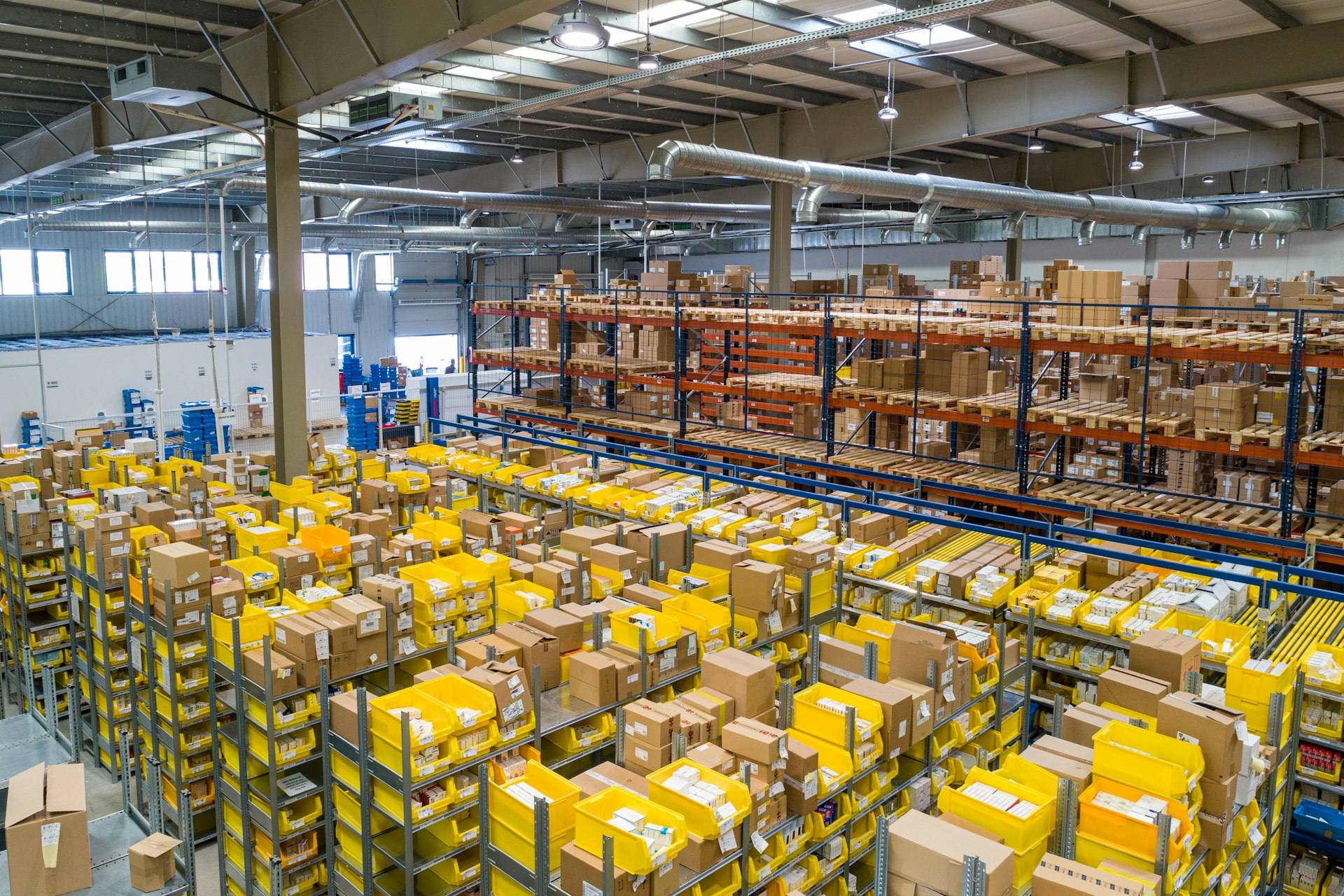
The NYC outer borough industrial market continues demonstrating resilience in Q3 2025 despite rising vacancy and a slowdown in leasing velocity. While headline availability has climbed to multi-year highs, structural demand drivers remain intact, and key sectors continue absorbing quality space. This SymCRG market report analyzes current conditions across Brooklyn, Queens, the Bronx, and Staten Island.
Executive Summary
The outer borough industrial vacancy rate climbed sharply in Q3 2025, rising 120 basis points quarter-over-quarter to 6.2%, its highest point in recent history. However, this headline masks a market that remains fundamentally sound. While demand for warehousing and logistics space has softened, food manufacturing and third-party logistics continue driving leasing. The development pipeline is holding steady, and industrial rents continue climbing, reflecting sustained demand for well-located properties.
Key Market Statistics
Availability Rate: 6.2% (up 120 bps QoQ) Rent Trend: Continued upward pressure Primary Demand Drivers: Food manufacturing, 3PL, last-mile logistics Development Pipeline: Steady with selective new starts
Market Resilience Despite Challenges
Despite the slowdown in leasing activity, New York City's industrial market remains resilient. The pandemic-era surge in e-commerce-driven demand has normalized, but underlying fundamentals remain strong. Urban industrial space remains scarce relative to demand, and replacement costs continue supporting asset values.
The vacancy increase reflects both normalized leasing velocity and new supply deliveries rather than tenant distress or market weakness. Absorption continues, albeit at a more measured pace than 2021-2022's exceptional levels.
Brooklyn & Queens: The Core Markets
Brooklyn and Queens remain the outer boroughs' primary industrial markets, driven by businesses needing warehouse and distribution sites for fast goods movement. These boroughs offer proximity to Manhattan consumers that suburban alternatives cannot match.
Queens clusters in Long Island City and Maspeth host small businesses and last-mile delivery centers. These areas prove critical for companies needing to move goods quickly in and out of Manhattan. The BonBon Candy lease at 47-39 35th Street exemplifies the tenant profile: growing companies requiring urban locations to serve regional markets.
Brooklyn's North Brooklyn submarkets (Williamsburg, Greenpoint, Bushwick) maintain tight conditions despite borough-wide vacancy increases. Food and beverage, creative, and last-mile users drive continued absorption in these premium locations.
Demand Drivers
Distribution centers, warehouses, and cold storage demand continues increasing. Businesses need faster delivery as e-commerce expectations remain elevated. Many companies seek modern facilities with high ceilings, up-to-date loading docks, and space for package sorting operations.
There's growing interest in converting older buildings into functional warehouse space. Developers are also building new facilities to meet e-commerce and supply chain needs, though at a measured pace given construction costs and financing conditions.
Food manufacturing remains particularly active. Companies value urban locations for freshness requirements and proximity to the consumer base. This sector has proven remarkably stable through various market cycles.
Third-party logistics (3PL) providers continue expanding to serve e-commerce fulfillment needs. These tenants typically require flexible configurations and excellent loading infrastructure.
Rent Dynamics
Industrial rents continue climbing despite rising vacancy, reflecting the quality premium commanding increasingly differentiated pricing. Modern, well-located space with appropriate infrastructure commands significant premiums over older inventory.
This pricing power demonstrates the structural undersupply of quality industrial space in urban New York. While headline vacancy rises, the space tenants actually want remains scarce.
Investment Considerations
User-buyers continue dominating transaction activity as interest rate uncertainty persists. Owner-occupiers remain less sensitive to cap rate movements, supporting transaction volume even as pure investment buyers stay selective.
Institutional interest in urban industrial remains strong, though bid-ask spreads have widened. Quality assets with strong tenancy and favorable lease structures command premium pricing when they trade.
2026 Outlook
Several factors will shape the market through 2026:
Vacancy Trajectory: The 6.2% rate may continue rising modestly as new supply delivers, but prime submarkets will remain tight. Quality space scarcity will persist.
Rent Growth: Expect continued modest increases for quality space, with pressure on older, less functional inventory. The bifurcation between premium and commodity space will intensify.
Leasing Activity: Food manufacturing, 3PL, and last-mile logistics will drive absorption. E-commerce-related demand will stabilize at post-pandemic levels rather than contracting.
Development: New starts will remain selective given construction costs and financing. This supply discipline supports existing asset values.
SymCRG Perspective
Our daily activity across Brooklyn and Queens confirms the nuanced reality: headline vacancy increases mask continued competition for quality space. Tenants remain decisive when appropriate opportunities arise, and landlords with well-located, modern assets maintain leverage.
For tenants, early engagement remains critical. Lead times for quality space continue exceeding expectations, particularly in North Brooklyn and Central Queens. The best space attracts multiple interested parties.
For landlords and investors, the outer boroughs continue offering compelling risk-adjusted returns. Urban industrial's structural advantages (proximity to consumers, limited development sites, high replacement costs) remain intact. The current moment represents normalization, not weakness.
Contact our team to discuss specific opportunities or market conditions in your target submarket.
Data sources: JLL Q3 2025 New York Industrial Report, Cushman & Wakefield MarketBeat.